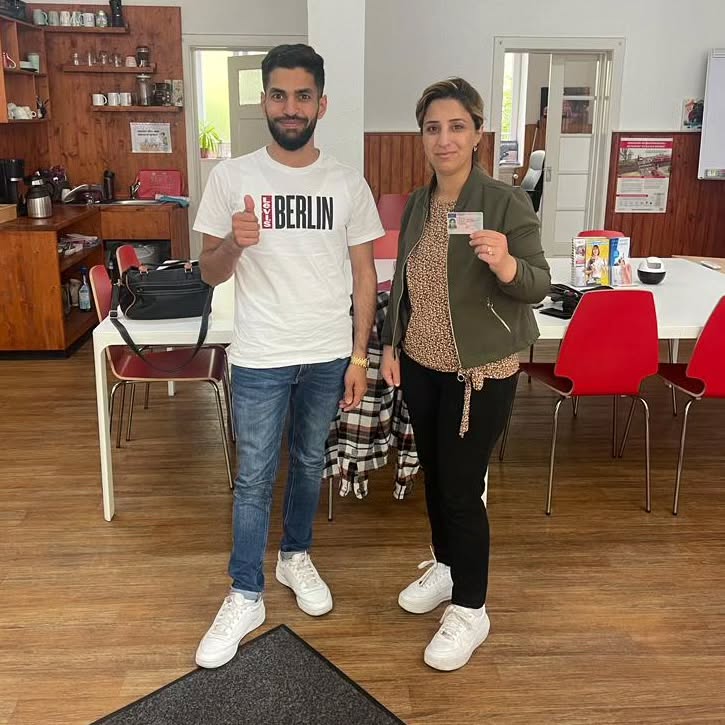
Why Buying A German Driver's License Is Fast Increasing To Be The Most Popular Trend In 2024


Buying A German Driver's License Legally: A Comprehensive Guide
Obtaining a chauffeur's license in Germany can be a difficult task, particularly for migrants and foreign residents. Nevertheless, it is necessary to comprehend the legal processes and requirements included. fuehrerscheinindeutschland aims to supply extensive guidance on getting a German driver's license legally, attending to typical questions, and providing valuable insights concerning the costs, requirements, and the process.
Understanding the German Driver's License System
Germany has a distinct licensing system that includes numerous classes of motorist's licenses, each suited for various kinds of vehicles. The most typically in-demand license is the Class B license, which permits the holder to drive standard automobiles.
Kinds Of German Driver's Licenses
| License Class | Automobile Type | Notes |
|---|---|---|
| Class A | Motorbikes | Versions include A1 for smaller sized bikes |
| Class B | Vehicles (as much as 3.5 heaps) | Most common license for personal cars |
| Class C | Trucks (over 3.5 tons) | Requires extra tests |
| Class D | Buses | Particular training required |
| Class BE | Mix of a car and a trailer | Additional test needed for towing automobiles |
Steps to Obtain a German Driver's License Legally
1. Identify Your Eligibility
Before beginning the procedure, it's important to inspect if you are eligible for a German motorist's license. Normally, applicants should be at least 17 years of ages (16 for Class A1) and should have a legitimate form of identification, such as a passport or residency authorization.
2. Choose an Authorized Driving School
Enrolling in a licensed driving school is vital. Research study regional driving schools, inspect their reviews, and verify they are authorized to offer training for the class of license you wish to obtain.
3. Complete Theoretical Training
Once enrolled, prospects need to finish the theoretical education, that includes:
- Traffic guidelines and guidelines
- Roadway indications and signals
- Car handling and security precautions
Typically, the theoretical training lasts for numerous weeks and may consist of a minimum of 14 lessons.
4. Pass the Theoretical Exam
After completing the theoretical lessons, candidates need to pass an official test. The following table describes typical scenarios for the test preparation:
| Exam Component | Information |
|---|---|
| Format | Numerous option questions |
| Period | Roughly 30-45 minutes |
| Passing Score | Normally requires at least 90% right responses |
5. Complete Practical Training
Following the theoretical examination, prospects will start useful driving lessons. The lessons normally concentrate on:
- Basic car control
- Maneuvering and parking skills
- Navigating through city and rural settings
6. Pass the Practical Exam
After completing the requisite useful lessons, prospects must pass a useful driving test administered by a qualified examiner.
7. Gather Required Documents
Upon successfully passing both tests, applicants need to prepare necessary files to obtain the chauffeur's license:
| Required Document | Description |
|---|---|
| Application Form | Accessible from regional authorities |
| Identity Proof | Passport or ID card |
| Photos | Biometric passport-sized photos |
| Assessment Certificates | Evidence of passing both the theoretical and useful tests |
| Residency Permit | If relevant, proof of legal residency |
| Charge Payment Receipt | Payment for licensing costs |
8. Submit Application
Send the application in addition to required files at the regional driving licensing authority (Führerscheinstelle). Upon approval, applicants will get their German chauffeur's license.
FAQ Section
Q1: Can I use my foreign motorist's license in Germany?
A: Yes, you can utilize a foreign driver's license in Germany for up to six months after moving. Nevertheless, it is a good idea to obtain a German motorist's license if you prepare to stay longer.
Q2: What if my foreign license is from a non-EU nation?
A: If your chauffeur's license is from a non-EU country, you may need to go through the complete licensing procedure, consisting of theory and practical tests.
Q3: How long does the licensing process take?
A: The duration depends on individual availability and the driving school's schedule, but typically, the entire procedure can take anywhere from a couple of weeks to numerous months.
Q4: What are the costs associated with getting a German motorist's license?
A: Costs can vary commonly based upon the driving school, lessons, and tests. Here's a rough breakdown:
| Cost Component | Approximated Cost (EUR) |
|---|---|
| Driving School Fees | 1,500 - 2,500 |
| Theoretical Exam Fee | 30 - 50 |
| Practical Exam Fee | 100 - 200 |
| Application Fee | 40 - 60 |
| Medical Certificate | 30 - 100 |
Q5: Are there any age restrictions for different license classes?
A: Yes, different classes have varying minimum age requirements. For instance, you can get a Class B license at 17, and Class A1 at 16.
Browsing the process of acquiring a German driver's license can be complex, however understanding the actions can considerably streamline the experience. From picking a certified driving school to effectively passing both theoretical and useful exams, diligence is key. By adhering to the legal processes, you can obtain your German motorist's license and delight in the opportunities that come with it-- all while being certified with the law. Happy driving!